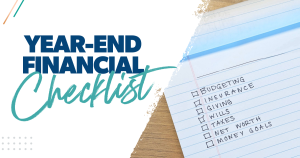




Basic money skills are essential habits that help you manage income, control spending, avoid debt, and build savings. These include budgeting, tracking expenses, understanding credit, and setting financial goals. Mastering these skills creates a strong foundation for long-term financial stability.
Key Takeaways
- Build a strong financial foundation: A clear budget is the starting point for managing money effectively
- Track your spending: Understanding where your money goes helps identify areas to improve
- Create an emergency fund: Saving 3–6 months of expenses protects you from unexpected costs
- Set SMART financial goals: Specific and measurable goals help you stay focused and accountable
- Stay flexible: Regularly reviewing your finances keeps you on track long term
1. How to Budget and Stick to It
Budgeting is the cornerstone of financial planning. It is one of the most important money skills you will learn. Start by:
- Listing all your income sources and expenses (fixed and variable)
- Categorize expenses into:
- Fixed (like rent or mortgage)
- Variable (such as groceries and entertainment)
- Use tools like a spreadsheet or an app like CreditU, to track your spending
The key is to create a realistic budget that aligns with your lifestyle and financial goals, and most importantly, to stick to it. Regularly review and adjust your budget to accommodate changes in your financial situation.
2. How to Track Spending
Tracking your spending helps you understand where your money is going and even identify areas you can cut back on. Use bank statements, receipts, etc., and record each transaction by paper, apps, or spreadsheet. By regularly monitoring your expenses, you can avoid overspending and make sure that you stay on budget. This practice not only helps with financial discipline but also highlights unnecessary expenses and spending habits.
3. What Impulse Spending Is and Tips to Avoid It
Impulse spending can quickly derail your financial plans. According to Ryley Amond, CNBC Select, “An impulse purchase is defined as an unplanned and spontaneous decision to buy something.” To avoid this, you need to:
- Implement a waiting period before making unplanned purchases
- Create a shopping list that you stick to
- Set spending limits
- Ask, “Do I need this?” “Can I buy this later?” “Can I afford this?”
These practices can help you develop self-control and can help prevent unnecessary expenses that do not contribute to your financial well-being or lead you into credit card debt.
4. The Difference Between Essential and Non-Essential Expenses (Needs and Wants)
Understanding the difference between essential and non-essential expenses is crucial for effective budgeting:
- Essential Expenses- These expenses are needed: rent, utilities, groceries, transportation, and healthcare. These are items necessary for survival and well-being.
- Non-essential Expenses- These expenses are wanted: dining out, entertainment, and luxury items. You should always make sure your essential expenses are met before adding any funds to your non-essential ones. Non-essential spending is also where you should look first if you need to cut back.
5. How to Save Money and Why
Saving money is vital for building a financial cushion and preparing for future needs. Start by setting aside a portion of your income each month, even if it’s a small amount. Establish an emergency fund to cover unexpected expenses, aiming for 3 to 6 months of living expenses. Consider opening a high-yield savings account. Saving not only provides financial security but also helps achieve long-term goals, such as buying a home, building a college fund for your child, or retiring comfortably.
6. How to Set Financial Goals
Setting financial goals gives direction to your money management efforts. Begin by defining short-term and long-term objectives, such as paying off debt, saving for a vacation, or investing in retirement funds. Make your goals specific, measurable, attainable, relevant, and time-bound (SMART). Regularly review and adjust your goals to reflect changes in priorities in your financial situation.
7. Basic Credit Card Dos and Don’ts
Credit cards are “a type of revolving credit account that lets you repeatedly borrow money and pay off the balance over time,” Louis DeNicola, Experian. They can be a useful financial tool when used responsibly.
- Do pay your balance in full each month. That way, you’ll avoid interest charges and not harm your credit score.
- Don’t charge what you can’t afford to pay off at the end of the month
Make sure you are keeping track of your credit card statements. They can show you any fraudulent activity. Remember, being disciplined with credit card usage helps build a positive credit history and avoid unnecessary debt.
Can I Even Afford a Credit Card?
First, check your budget. According to ACCC Credit Counselor Kyle Liseno, “The first step when applying for a credit card is checking your budget. If you don’t have a budget, we highly recommend creating one. A budget will determine if you should get the credit card based on whether you can afford the minimum payment that comes with it. If you can’t really afford a minimum payment, maybe now is not the best time to get that credit card.”
8. Debt Repayment Options
Understanding debt repayment options is an essential money skill for effective debt management. Evaluate strategies like the avalanche method, which focuses on paying off debts with the highest interest rates first, or the snowball method, which targets the smallest debts to gain momentum. Choosing the right approach can accelerate debt repayment and reduce financial stress. Consider seeking professional advice from a nonprofit, like ACCC, if you’re overwhelmed.
9. What to Do if You Accumulate Credit Card Debt and Struggle to Pay It
If you find yourself struggling with credit card debt, it’s important to act early. Do not wait until it feels overwhelming and unmanageable. You could contact your credit card issuer to discuss repayment plans or interest rate reductions, or seek help from nonprofit organizations like American Consumer Credit Counseling (ACCC), which offers free counseling and debt management services. Our credit counselors provide judgment-free guidance and support every step of your journey. Addressing debt issues quickly can help you regain control of your finances.
10. The Importance of Financial Literacy
Lastly, continuing financial literacy for yourself and for your family is the ultimate money skill to ensure financial wellness. Stay informed about personal finance topics, like retirement planning. Attend workshops, read books, or blogs from credible sites to broaden your understanding. By enhancing your financial literacy, you empower yourself to make informed decisions that positively impact your financial future.
Why These Money Skills Matter
Mastering these basic money skills is essential for achieving financial stability and reaching your personal and professional goals. Whether you’re just starting your financial journey or improving your current habits, these 10 skills provide a strong foundation for managing money effectively. Financial success is not about how much you earn, but how well you manage what you have.
FAQs
Q. How much should be saved in an emergency fund?
A. Experts recommend saving three to six months’ worth of essential living expenses. Note: this amount can vary depending on income stability and personal circumstances.
Q. What’s the best way to start paying off debt?
A. A good way to start could be to focus on high-interest debts first while maintaining minimum payments on others. This approach minimizes interest costs over time. Contact nonprofit organizations like ACCC if you need help.
Q. How often should a budget be reviewed?
A. Budgets should be reviewed monthly to track progress and adjust based on changes in income or expenses.
Q. Is it better to save or pay off debt first?
A. It depends on your financial situation. If you have no emergency fund, you might want to create one first to avoid future debt in the event of an emergency.
Q. What tools can help with budgeting and expense tracking?
A. Spreadsheets, budgeting apps, or online financial management tools can simplify tracking and help visualize spending habits. CreditU is free and a great place to start.
Q. How can financial goals stay on track long-term?
A. Set specific, measurable goals, review them regularly, and celebrate milestones to stay motivated and accountable.
If you’re struggling to pay off debt, ACCC can help. Schedule a free credit counseling session with us today.
Read the full article here